
Roofing Company Bremen, IN
Professional Roof Repair, Replacement & Metal Roofs In Bremen, Indiana
Protecting Bremen Homes & Businesses with Roofing Built for Bremen, IN
Your roof protects everything underneath it, and in Bremen, Indiana, it has to withstand far more than just rain. From heavy winter snow and ice to spring hail, high winds, summer thunderstorms, and constant freeze-thaw cycles, Northern Indiana weather puts every roofing system to the test. Whether your home needs a minor roof repair, a complete roof replacement, or a professional inspection after a storm, choosing the right roofing contractor makes all the difference.
Cubs Roofing proudly serves homeowners and businesses throughout Bremen and Marshall County with dependable residential and commercial roofing services built around quality craftsmanship, honest communication, and long-term protection. We specialize in asphalt shingle roofing, metal roofing, roof repairs, roof replacements, storm damage restoration, roof inspections, and insurance claim assistance. Every project begins with a thorough inspection and a clear explanation of your options so you can make an informed decision with confidence.

Why Bremen Homeowners Choose Cubs Roofing
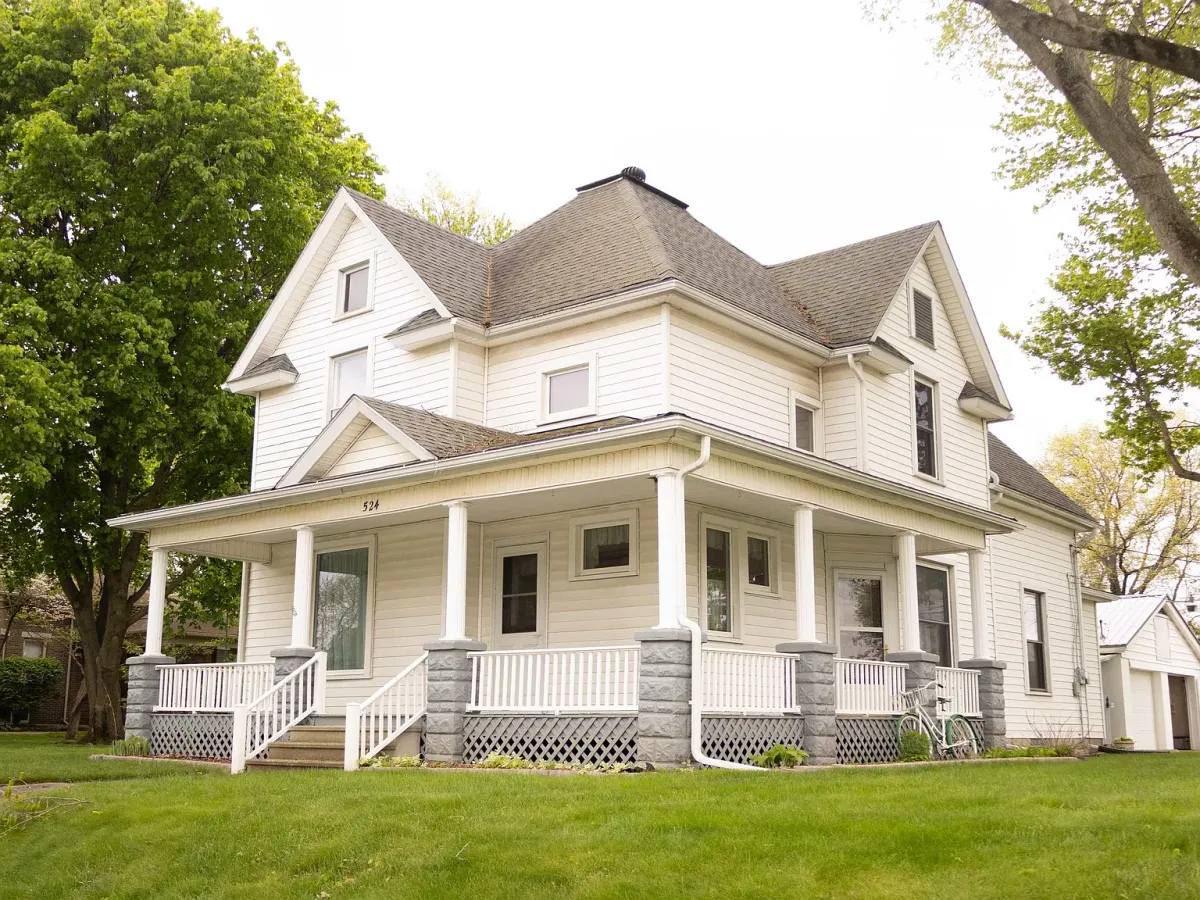
Roofing Solutions Designed for Bremen Homes
Bremen is a close-knit Marshall County community with a mix of historic homes, established neighborhoods, agricultural properties, and newer residential developments. Because roofing systems throughout Bremen vary significantly in age and construction, every project starts with understanding the condition of the existing roof rather than recommending the same solution for every homeowner.
Whether your roof was installed fifteen years ago or has protected your home for several decades, our goal is to provide recommendations based on its actual condition, remaining lifespan, and your long-term plans—not simply sell the largest project possible.
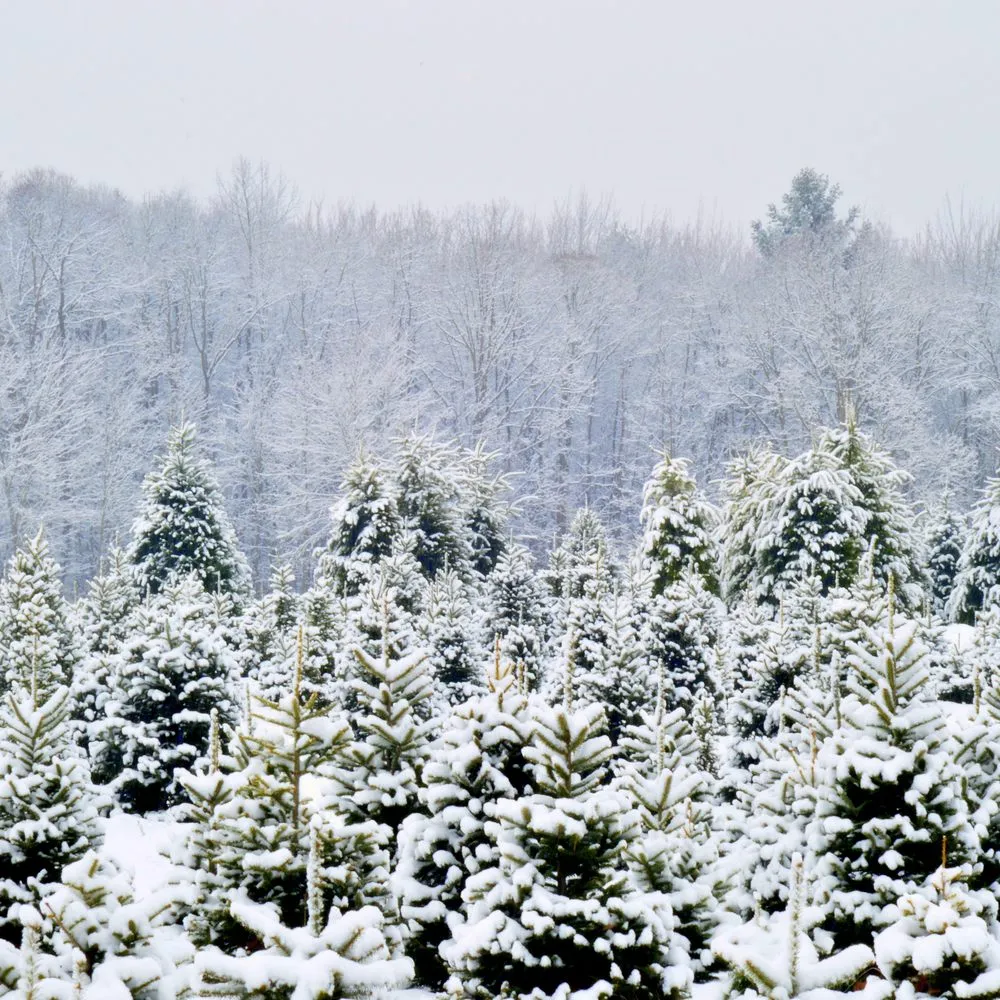
Local Weather Creates Unique Roofing Challenges
Living in Bremen means your roof experiences four very different seasons every year.
Heavy snowfall can place significant weight on roofing systems while ice dams create opportunities for water intrusion around eaves and valleys. Spring often brings high winds, hail, and severe thunderstorms capable of damaging shingles, flashing, gutters, and siding. Summer heat accelerates shingle aging through prolonged UV exposure, and repeated freeze-thaw cycles throughout the year can gradually loosen flashing, expand small cracks, and shorten the life of roofing materials. Northern Indiana's weather patterns make proper installation, attic ventilation, and routine inspections especially important for protecting your investment.
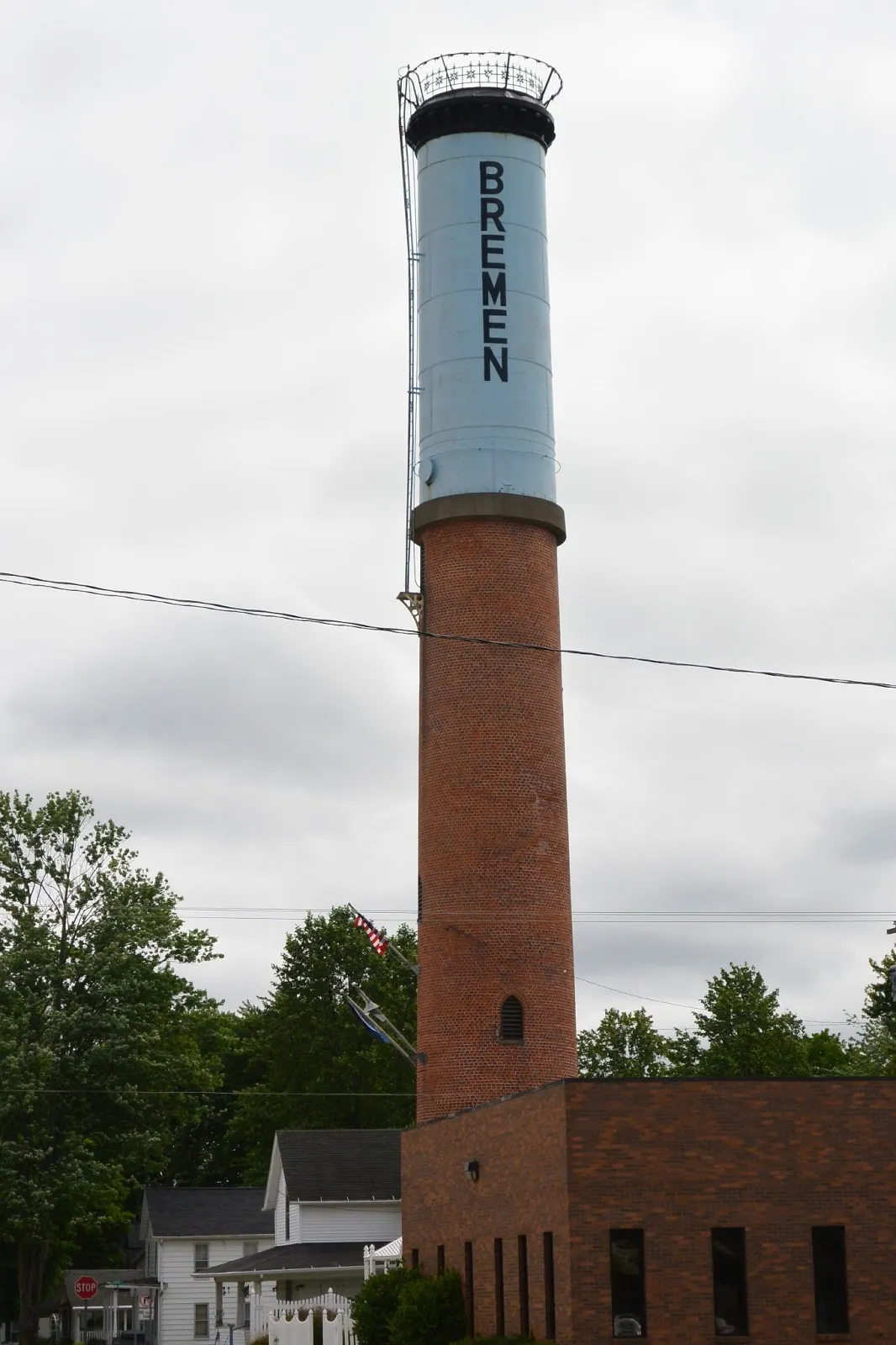
A Local Company That Understands Bremen, IN
Unlike companies that apply the same approach everywhere, Cubs Roofing builds roofing systems specifically for Northern Indiana conditions. We understand how seasonal weather affects roofing materials, why attic ventilation matters during our winters and summers, and how proper water management protects both your roof and your home's structure.
Why Roofs in Bremen Fail
Why Roofs in Bremen Require More Attention Than Many Homeowners Realize
Snow & Ice : During Northern Indiana winters, accumulated snow and ice place additional stress on roofing systems. As temperatures fluctuate above and below freezing, trapped moisture expands and contracts around shingles, flashing, and exposed fasteners. Over time, these repeated freeze-thaw cycles can contribute to leaks and premature wear if small problems are left unaddressed.
Spring Storms : Spring storms frequently bring strong wind gusts, hail, and heavy rain across Marshall County. Even when damage isn't obvious from the ground, missing granules, lifted shingles, bent flashing, or bruised roofing materials can reduce your roof's ability to shed water properly. Early inspections after severe weather can help identify issues before they become larger repairs.
Aging Roofing Systems : Many homes throughout Marshall County have aging roofing systems that simply reach the end of their expected service life. As shingles lose protective granules, sealant weakens, flashing deteriorates, and ventilation problems compound over time, replacement often becomes more cost-effective than repeated repairs. Older housing stock throughout Marshall County can also be more vulnerable to severe weather if roofs haven't been updated.
Poor Attic Ventilation : One of the most overlooked causes of premature roof failure is inadequate attic ventilation. Excess heat and moisture trapped inside the attic can shorten shingle life, increase energy costs, contribute to mold growth, and accelerate deterioration of roof decking. Proper intake and exhaust ventilation help protect the entire roofing system. Poor ventilation is a common issue identified in homes across the region.
What Makes Cubs Roofing Different?
Why Homeowners In Bremen, IN Choose Cubs Roofing
Roofing Built Around Education, Not Sales Pressure
Instead of pushing every homeowner toward a roof replacement, we believe the first step is understanding the condition of your roof.
Our inspections focus on identifying the actual cause of problems, documenting visible damage, and explaining your options clearly. Sometimes that means recommending a repair. Other times, replacement may provide better long-term value. Either way, you'll receive honest information designed to help you make the decision that's right for your property.
Quality Installation Matters
Even the best roofing materials can fail if they're installed incorrectly.
That's why every roofing project receives careful attention to proper underlayment, flashing, ventilation, fastener placement, and manufacturer installation requirements. Our goal isn't simply installing a new roof—it's building a roofing system designed to perform through years of Northern Indiana weather.
Communication From Start to Finish
From your initial inspection through project completion, we believe in clear estimates, straightforward communication, realistic scheduling, and thorough cleanup so you always know what to expect. You even have a direct text line of communication to your Bremen roofer at all times before and after the process.
Complete Roofing Solutions for Bremen Homes & Businesses
A roof is much more than the shingles you see from the street. It's a complete system designed to protect your home or business from water intrusion, wind, temperature extremes, and the changing seasons that make Northern Indiana one of the most demanding climates for roofing systems. At Cubs Roofing, we provide comprehensive residential and commercial roofing solutions for property owners throughout Bremen and Marshall County. Whether you need a minor repair after a windstorm, a complete roof replacement, or help navigating an insurance claim, our team focuses on long-term solutions rather than temporary fixes.
Every roofing project begins with understanding the condition of your current roof, identifying the source of any problems, and recommending the solution that makes the most sense for your property, budget, and long-term goals.
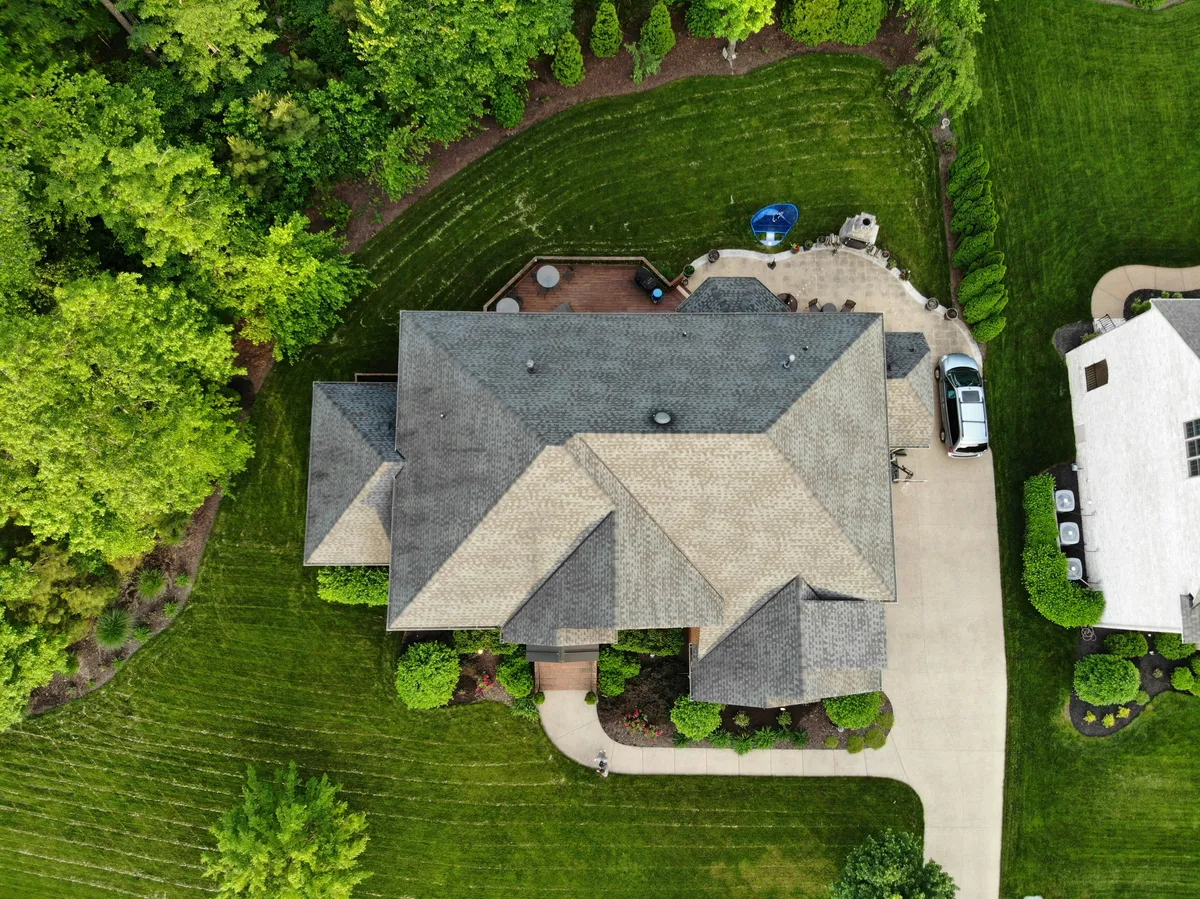
Most homeowners don't replace a roof very often. In fact, for many families, a roof replacement is one of the largest home improvement projects they'll ever undertake. That makes choosing the right contractor and understanding your options extremely important.
At Cubs Roofing, we replace roofing systems that have reached the end of their useful life, sustained significant storm damage, or are no longer cost-effective to repair. Rather than recommending replacement based only on age, we perform a detailed inspection of the shingles, flashing, ventilation, decking (when visible), and other components to determine the overall condition of the roofing system.
A professionally installed roof replacement provides benefits beyond simply stopping leaks. Modern roofing systems can improve ventilation, increase energy efficiency, enhance curb appeal, and provide better resistance to wind and hail than many older roofs. For homeowners planning to stay in their homes for years to come, replacing an aging roof can also reduce future maintenance costs and provide greater peace of mind.
Whether your home has architectural shingles, metal roofing, or another roofing system, we'll help you understand the available material options, warranty coverage, and installation process before work begins.
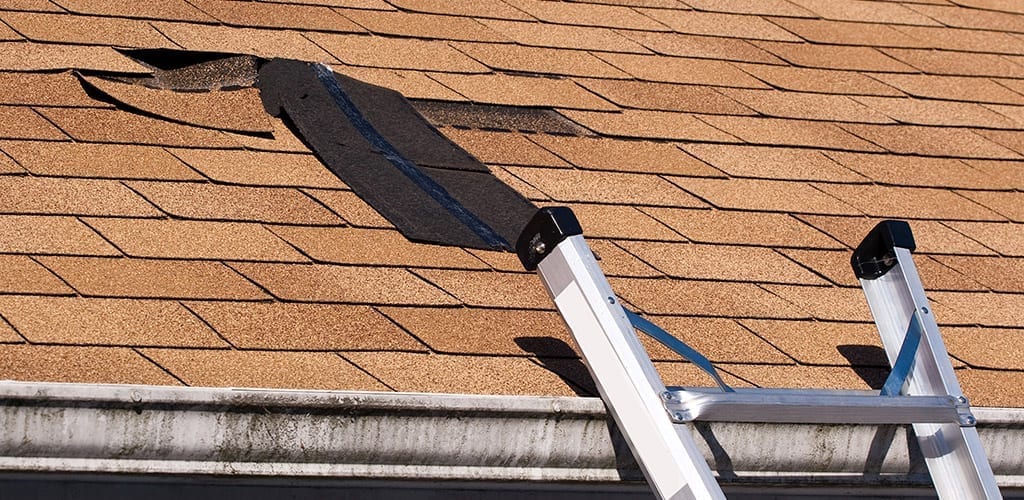
Not every roofing problem requires a complete replacement.
One of the biggest misconceptions homeowners have is believing that a leak automatically means they need a new roof. In reality, many roofing issues can be addressed through targeted repairs when caught early.
Roof repairs commonly involve replacing damaged shingles, repairing flashing around chimneys or roof penetrations, correcting ventilation issues, sealing exposed fasteners, or addressing damage caused by wind, hail, or falling tree limbs. Identifying the true source of a leak is often more important than simply repairing the area where water becomes visible inside the home.
The longer small roofing problems remain unaddressed, the greater the potential for water intrusion, damaged roof decking, insulation issues, mold growth, and interior repairs. That's why prompt inspections after storms or whenever signs of damage appear can help prevent much larger repair costs.
Our goal is simple: if a repair is the right solution, we'll recommend a repair. If replacement offers better long-term value, we'll explain exactly why.

Your home deserves a roofing system designed specifically for Northern Indiana's weather conditions.
From heavy snowfall during the winter to spring thunderstorms, hail, high winds, and humid summers, roofs in Bremen experience significant seasonal changes throughout the year. These conditions make proper installation, attic ventilation, flashing, and water management essential components of a long-lasting roofing system. Marshall County's building department enforces Indiana residential building standards for construction and reroofing projects within Bremen, underscoring the importance of code-compliant work.
Whether you're building a new home, replacing an aging roof, or repairing storm damage, Cubs Roofing provides residential roofing solutions built around quality workmanship, durable materials, and honest recommendations tailored to your home's needs.
We install roofing systems that are designed not only to look great on day one but to continue protecting your family for years to come.
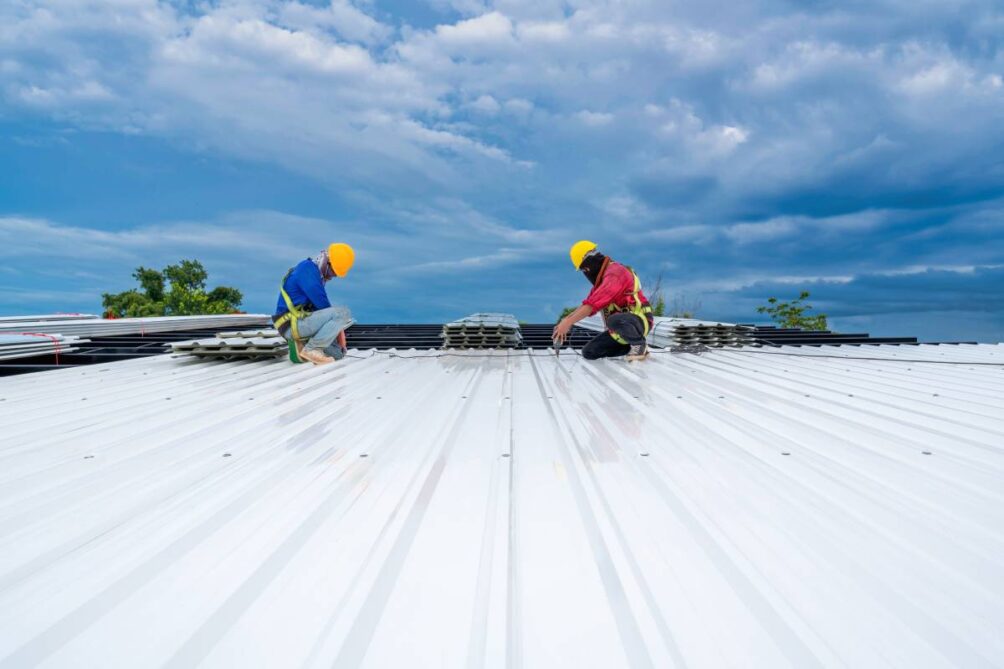
Commercial roofing projects require a different level of planning, communication, and system selection than residential projects.
Businesses, churches, warehouses, agricultural facilities, retail buildings, apartment complexes, and office buildings each present unique roofing challenges. Roof slope, drainage, accessibility, equipment, warranties, and long-term maintenance all play an important role in determining the right roofing system.
Our team works with commercial property owners to evaluate existing roof conditions, identify potential issues before they become expensive failures, and recommend repair or replacement solutions based on the building's intended use and long-term goals.
Because roofing work can directly impact business operations, we emphasize scheduling, communication, job-site safety, and efficient project management throughout the installation process.
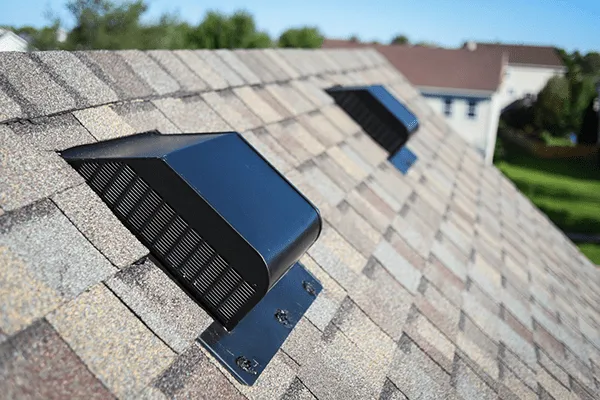
Asphalt shingles continue to be the most popular residential roofing material throughout Bremen and Northern Indiana because they provide an excellent balance of durability, affordability, curb appeal, and long-term performance.
Today's architectural shingles are significantly more durable than older three-tab shingles and are available in a wide variety of colors and profiles designed to complement nearly every style of home.
At Cubs Roofing, we install premium asphalt roofing systems from trusted manufacturers, helping homeowners choose products that fit both their budget and long-term expectations.
Whether you're interested in traditional architectural shingles or impact-resistant options designed to provide improved resilience in severe weather, we'll explain the differences so you can make an informed decision.
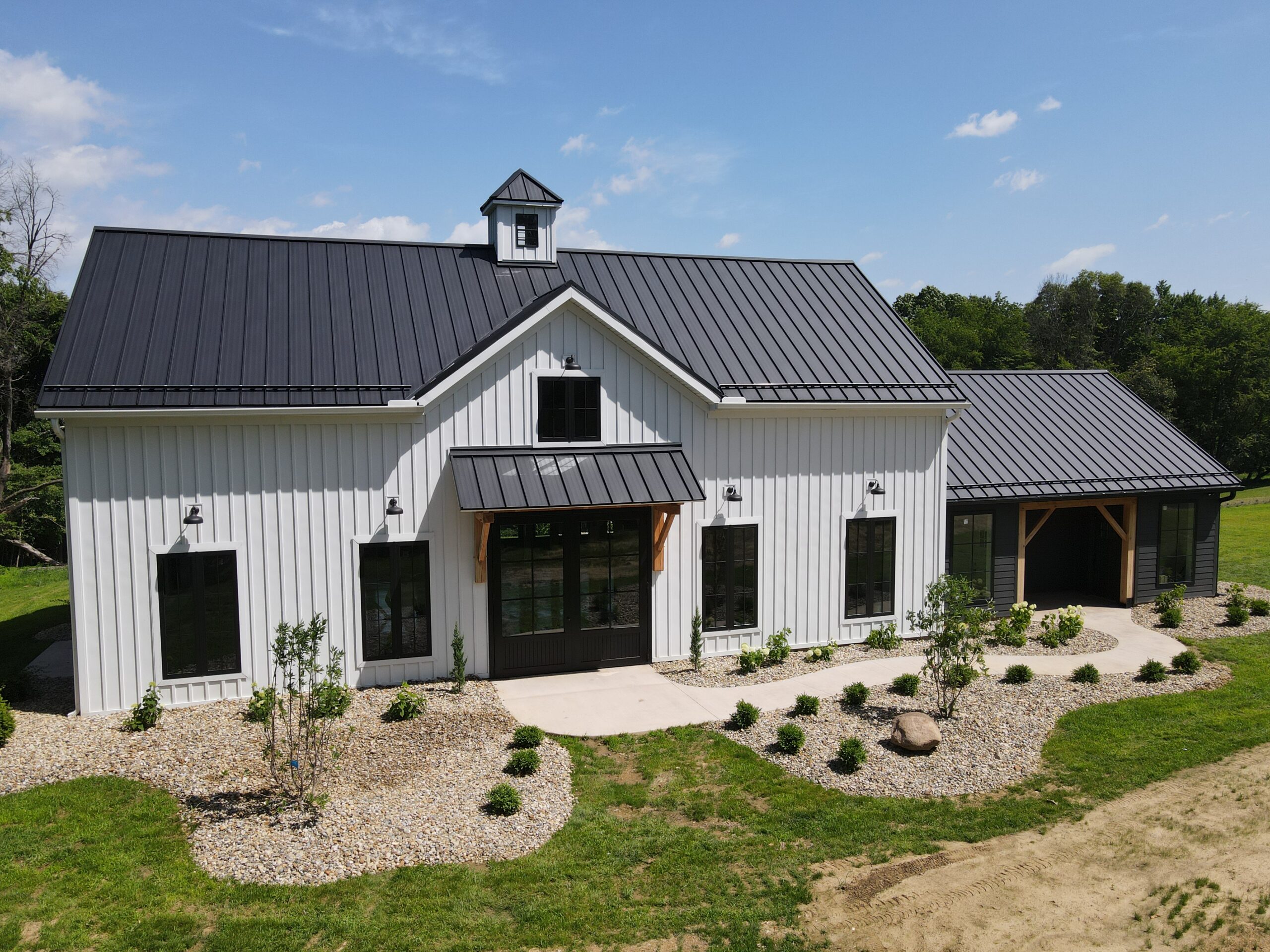
Metal roofing has become one of the fastest-growing roofing options in Bremen Indiana, and for good reason.
Modern metal roofing systems offer exceptional longevity, outstanding weather resistance, low maintenance requirements, and a clean architectural appearance that appeals to many homeowners and commercial property owners.
Standing seam metal roofing is especially well-suited for handling snow and efficiently shedding water, while exposed-fastener systems can provide an economical solution for certain applications when properly installed and maintained.
Choosing the right metal roofing system depends on your property's design, budget, and performance goals. During your consultation, we'll explain the advantages of each option so you can decide whether metal roofing is the right long-term investment for your property.
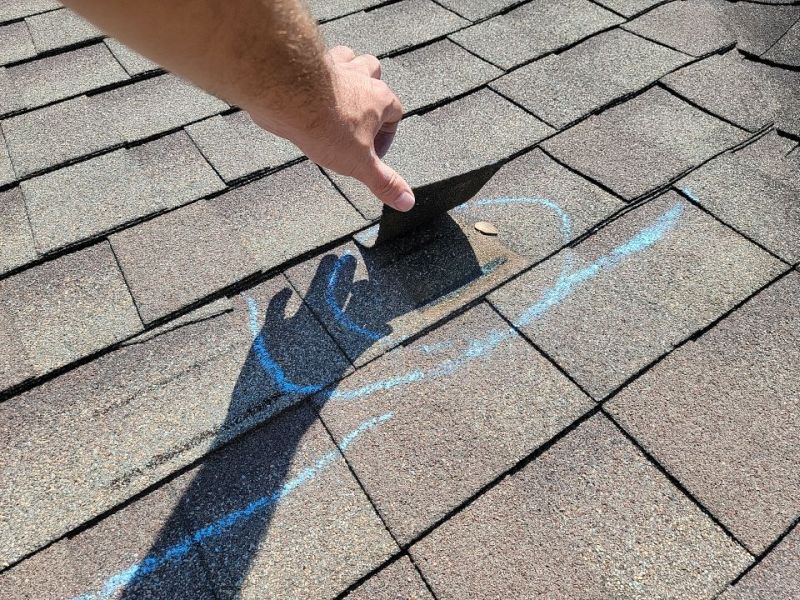
Many roofing problems begin long before they're visible from inside the home.
A professional roof inspection helps identify damaged shingles, deteriorated flashing, ventilation concerns, storm damage, drainage issues, and other developing problems before they lead to costly interior repairs.
Whether you're buying a home, selling a property, recovering from a recent storm, or simply want peace of mind, routine inspections provide valuable information about your roof's current condition and remaining service life.
Instead of simply looking for obvious damage, our inspections evaluate the roofing system as a whole, allowing homeowners to better understand maintenance priorities and plan for future repairs or replacement.
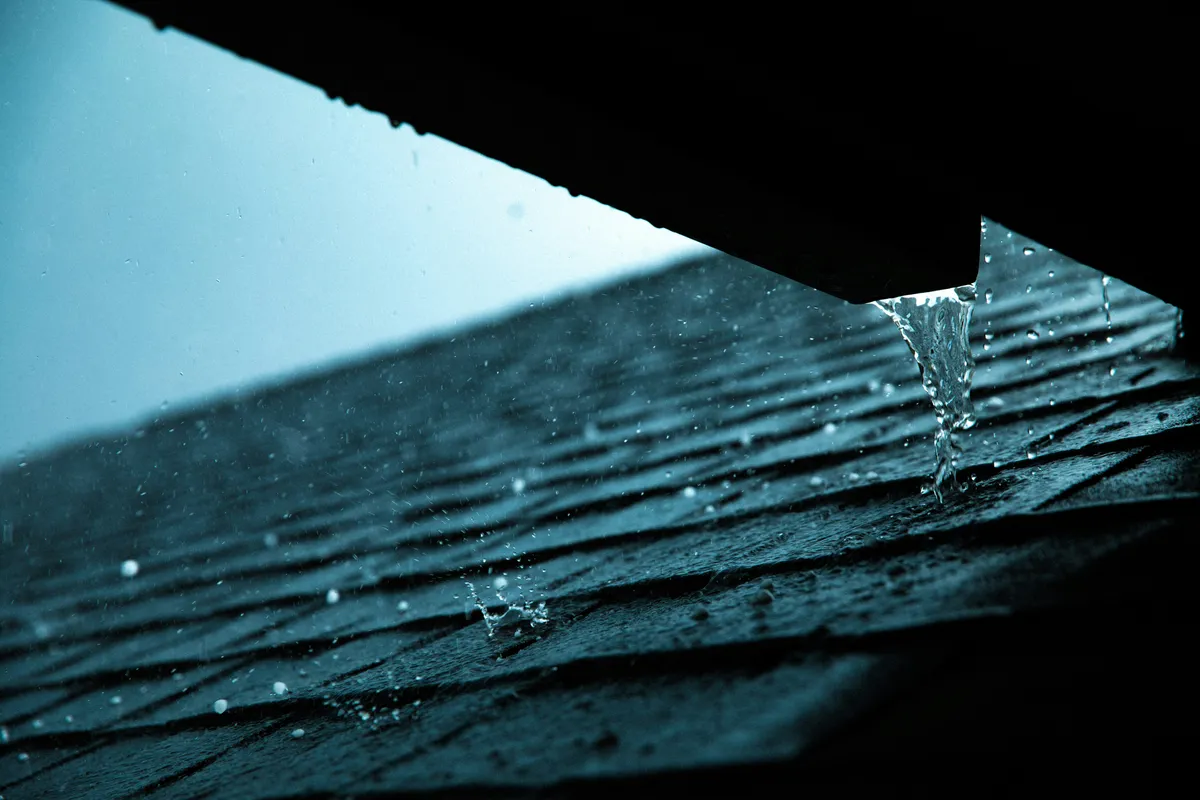
Storm damage isn't always obvious from the ground.
High winds can lift shingles without completely removing them. Hail can bruise roofing materials, damage protective granules, and shorten the life of the roof. Heavy rain may expose flashing weaknesses that previously went unnoticed.
Marshall County's hazard mitigation planning specifically identifies severe thunderstorms, hail, winter storms, and high winds as recurring hazards that can affect buildings throughout the county.
After significant weather events, a professional inspection can help determine whether repairs are needed before minor damage develops into more serious structural problems.
Our storm restoration process focuses on documenting visible damage, identifying areas requiring attention, and helping property owners understand the available repair or replacement options.

Filing an insurance claim after storm damage can feel overwhelming, especially if you've never been through the process before.
Our role is not to determine insurance coverage—that decision belongs to your insurance carrier—but to help homeowners document roof conditions, identify visible storm-related damage, and provide clear information about the scope of necessary repairs.
By providing thorough documentation, photographs, and professional inspections, we help property owners better understand the condition of their roof and communicate effectively throughout the claims process.
Clear communication and proper documentation often make the restoration process smoother for everyone involved.
Roof Repair vs. Roof Replacement: Which Solution Is Right for Your Bremen Home?
One of the most common questions we hear from homeowners in Bremen is, "Do I need a new roof, or can it be repaired?" It's an important question because the right answer depends on several factors, including the age of your roof, the extent of the damage, the condition of the underlying roofing system, and your long-term plans for the property.
At Cubs Roofing, we don't believe every roofing problem requires a full replacement. In many cases, a professional repair can safely extend the life of your roof and help you avoid unnecessary expenses. In other situations, continuing to repair an aging or severely damaged roof may end up costing more over time than replacing it.
Our goal is to provide honest recommendations based on a thorough inspection, not to sell you a roof you don't need. During every inspection, we evaluate the entire roofing system, explain what we find, and help you understand the advantages and limitations of both repair and replacement so you can make an informed decision.
When a Roof Repair Makes Sense
There are many situations where repairing your roof is the smartest and most cost-effective option. If the overall roofing system is still in good condition and the damage is isolated, a professional repair can restore the roof's performance and extend its service life.
Common situations where repairs may be appropriate include.
A few missing or wind-damaged shingles
Minor leaks around flashing or roof penetrations
Small areas of hail damage
Damaged ridge caps
Loose or lifted shingles
Minor flashing repairs
Pipe boot deterioration
Isolated storm damage
Small ventilation issues
Benefits of Repairing Your Roof
Lower upfront investment
Faster project completion
Extends roof lifespan
Preserves existing roofing materials
Prevents minor issues from becoming major repairs
If these problems are identified early, repairs can often prevent moisture from reaching the roof decking and interior of the home.
When Roof Replacement Is the Better Investment
While repairs can solve many roofing issues, there comes a point when replacing the roof provides greater long-term value.
A roof replacement may be recommended when
Damage is widespread across multiple roof slopes
The roof has reached the end of its expected service life
Numerous repairs have already been completed
Storm damage affects multiple roofing components
Water has compromised underlying decking
Ventilation issues have accelerated deterioration
Matching existing shingles is no longer possible
Repair costs approach the value of replacement
Benefits of Roof Replacement
Long-term protection
Improved curb appeal
Better energy efficiency
Updated manufacturer warranty coverage
Reduced maintenance
Increased resale value
Rather than continuing to invest in repeated repairs every few years, many homeowners choose replacement because it restores the entire roofing system, improves weather protection, and often increases property value.
Factors We Evaluate During Every Roof Inspection
Every roof tells a different story.
Instead of making recommendations based solely on age, we evaluate the complete roofing system to understand its current condition.
During your inspection, we'll look at:
Roof Age
Older roofs naturally experience wear over time, but age alone doesn't determine whether replacement is necessary.
Shingle Condition
We'll evaluate curling, cracking, granule loss, blistering, lifted shingles, and overall material deterioration.
Flashing
Improper or deteriorated flashing is one of the leading causes of roof leaks.
We'll inspect flashing around:
Chimneys
Valleys
Skylights
Plumbing vents
Wall transitions
Ventilation
Proper attic ventilation helps regulate temperature and moisture levels, protecting both your roofing materials and the underlying structure.
Poor ventilation can contribute to:
Shortened shingle life
Ice dams
Excess attic heat
Moisture buildup
Mold growth
Roof Decking
Whenever visible or accessible, we'll evaluate signs of soft spots, water damage, or structural concerns that may affect the integrity of the roofing system.
Storm Damage
We'll look for evidence of:
Wind damage
Hail impact
Fallen tree limbs
Debris damage
Lifted shingles
Missing shingles
Repair or Replace? Here's How We Help You Decide
One of the biggest concerns homeowners have is wondering whether they're receiving honest advice.
Our inspection process is designed to remove that uncertainty.
Rather than beginning with a sales presentation, we begin with an inspection and a conversation.
We'll explain:
What we found
What's causing the problem
Whether repairs are likely to solve it
Whether replacement offers better long-term value
What options are available
What we would recommend if this were our own home
Price comparison to fix vs replace
Long term investment analysis of replacement vs repair
Benefits of a full tear off to replace damaged OSB
Attic inspection for mold spores
Insurance claim documentation start to finish
Questions to Ask Before Choosing Roof Repair or Replacement
Before making a decision, consider asking yourself:
How old is my current roof?
Have I needed multiple repairs in recent years?
Did the damage occur suddenly after a storm?
Am I planning to stay in this home long-term?
Do I plan to sell soon?
Are there interior leaks or water stains?
Are energy bills increasing?
Have shingles begun curling or losing granules?
Is the roof still covered by a manufacturer warranty?
These questions often help determine which solution provides the greatest value over time.
Why Homeowners in Bremen Trust Cubs Roofing
Choosing between repair and replacement shouldn't feel like a guessing game.
Our team takes the time to inspect your roof thoroughly, explain our findings in plain language, and provide recommendations based on the condition of your roof, not a one-size-fits-all sales approach.
Whether your roof needs a simple repair or a complete replacement, our commitment remains the same: provide honest guidance, quality workmanship, and roofing solutions designed to protect your home for years to come.
Not Sure Which Option Is Right?
Schedule a free professional roof inspection in Bremen, IN and let our team evaluate your roof's condition. We'll document what we find, answer your questions, and help you determine whether a repair or replacement is the best solution for your home.
Complete Roofing Materials Guide for Bremen Homes & Businesses
Choosing a new roof involves much more than picking a shingle color. A roofing system is made up of multiple components that work together to protect your property from rain, snow, ice, wind, heat, and moisture. The right combination of roofing materials can improve durability, appearance, ventilation, energy efficiency, and long-term performance.
For homeowners and businesses in Bremen, Indiana, selecting materials that can handle Northern Indiana's changing weather conditions is particularly important. Cubs Roofing works with property owners to compare roofing materials, understand the differences between available systems, and choose an option that fits the property's structure, budget, appearance, and long-term goals.
Below is an overview of the primary roofing materials and components we recommend considering when planning a new roof.
Asphalt shingles remain one of the most popular roofing choices for homes throughout Bremen and Northern Indiana because they provide an excellent balance of affordability, durability, appearance, and installation flexibility.
Modern asphalt shingles are available in a variety of profiles, colors, and performance levels. Depending on the product selected, homeowners can choose from standard architectural shingles, impact-resistant products, and premium designer shingles.
A properly installed asphalt roofing system can provide reliable protection for decades when the materials are appropriate for the home and properly maintained.
Why Homeowners Choose Asphalt Shingles
Affordable compared with many premium roofing materials
Wide variety of colors and styles
Relatively straightforward installation
Easy to repair or replace individual shingles
Compatible with many residential architectural styles
Available with enhanced impact and wind-resistance ratings
Best For
Homeowners looking for a versatile roofing system that provides strong performance without the higher initial investment associated with some premium materials.
Architectural Shingles
Architectural shingles are a dimensional type of asphalt shingle designed to provide a more substantial appearance and improved performance compared with traditional three-tab shingles.
Instead of having a uniform flat appearance, architectural shingles contain multiple layers or dimensions that create visual depth and can mimic the appearance of more expensive roofing materials.
They are widely used on residential homes because they combine attractive aesthetics with good durability and relatively affordable installation.
Benefits of Architectural Shingles
Dimensional appearance
Wide range of colors
Strong wind resistance on qualifying products
Good overall durability
Relatively low maintenance
Excellent curb appeal
Compatible with many residential roofing systems
For many Bremen homeowners, architectural shingles offer one of the best combinations of appearance, performance, and value.
Impact-Resistant Shingles
Northern Indiana homeowners occasionally experience hail and severe weather capable of damaging conventional roofing materials.
Impact-resistant shingles are designed and tested to provide improved resistance to impacts compared with standard products. Some products receive a Class 4 impact-resistance classification under the relevant testing standard.
However, it's important to understand that impact-resistant does not mean impact-proof.
Severe hail or other impacts can still damage an impact-resistant roofing system.
Why Consider Impact-Resistant Shingles?
Enhanced resistance to certain impacts
Potentially longer service life in severe-weather environments
Available in a variety of architectural styles
Can be an attractive option for homeowners concerned about hail
If you're considering an impact-resistant roofing system, ask your roofing contractor about the specific product's testing, warranty, and available options.
Metal Roofing
Metal roofing has become increasingly popular among homeowners and commercial property owners looking for a long-lasting alternative to traditional asphalt shingles.
Depending on the system, metal roofing can provide excellent resistance to weather, low maintenance requirements, and a long service life.
Metal roofing is available in several configurations, but two of the most common systems you'll encounter are standing seam metal roofing and exposed-fastener metal roofing.
Standing seam metal roofing uses concealed fasteners and raised seams that connect adjacent panels.
Because the primary fasteners are hidden from direct weather exposure, standing seam systems can provide a clean appearance and excellent long-term performance when properly designed and installed.
Advantages
Clean architectural appearance
Concealed fasteners
Excellent water-shedding characteristics
Long potential service life
Low maintenance
Available in numerous colors and finishes
Suitable for many residential and commercial applications
Standing seam metal roofing can be particularly attractive for homeowners who want a premium roofing system with a modern appearance and long-term durability.
Exposed-Fastener Metal Roofing
Exposed-fastener metal roofing uses screws that pass through the metal panels and attach directly to the supporting structure.
This type of system can be more economical than standing seam roofing and is commonly used for agricultural, residential, commercial, and utility applications.
Advantages
Clean architectural appearance
Concealed fasteners
Excellent water-shedding characteristics
Long potential service life
Low maintenance
Available in numerous colors and finishes
Suitable for many residential and commercial applicationsLower initial cost than many standing seam systems
Durable metal panels
Straightforward installation
Available in numerous colors
Suitable for many agricultural and commercial applications
Important Consideration
Because the fasteners are exposed to the weather, the condition of the fasteners, washers, and penetrations should be monitored over time.
Proper installation and maintenance are particularly important for maintaining the system's long-term performance.
Roofing Underlayment
The shingles or metal panels you see from the ground are only one part of a roofing system.
Underlayment provides an additional layer of protection between the roof deck and the exterior roofing material.
Depending on the roofing system, underlayment may include synthetic underlayment, felt-based products, or specialized membranes.
Why Underlayment Matters
Underlayment helps provide additional protection against
Wind-driven rain
Moisture intrusion
Snow
Ice
Temporary exposure during installation
A quality roofing installation should incorporate underlayment appropriate for the roofing material and manufacturer's installation requirements.
Ice and water protection is especially important in Northern Indiana because freezing temperatures, snow, and ice can create challenging conditions around roof edges and penetrations.
Ice and water shield is a self-adhering waterproof membrane installed in vulnerable areas of the roofing system.
These areas may include:
Eaves
Valleys
Roof-to-wall transitions
Around certain penetrations
Other areas specified by the roofing system
Proper installation of these membranes can provide an additional layer of protection against water intrusion.
Roof Flashing
Flashing is one of the most important—and frequently overlooked—components of a roofing system.
Flashing is used around areas where water could otherwise enter the building, including:
Chimneys
Walls
Valleys
Skylights
Plumbing penetrations
Roof transitions
Even an excellent shingle can fail to keep water out if flashing is improperly installed or deteriorated.
That's why proper flashing installation is a critical component of a professional roof replacement.
Drip Edge
Drip edge is a metal flashing component installed along certain roof edges to help direct water away from the roof deck and into the gutter system.
Properly installed drip edge can help:
Protect roof edges
Direct water into gutters
Reduce moisture exposure
Improve the finished appearance of the roof
Protect vulnerable roof decking
Because gutters and roofing systems work together to manage water, proper roof-edge detailing is important for the overall performance of the exterior.
Add Subtext text. Click "Edit Text" to update the font, size and more.
To change and reuse text themes, go to Site Styles.
Roof ventilation isn't technically a roofing material, but it is an essential component of the overall roofing system.
A properly designed ventilation system helps manage heat and moisture within the attic.
Depending on the home, this may involve:
Intake vents
Ridge vents
Soffit vents
Box vents
Other exhaust ventilation systems
Poor ventilation can contribute to excessive attic temperatures, moisture accumulation, condensation, and premature deterioration of roofing materials.
For Bremen homes experiencing ice dams, excessive attic heat, moisture, or premature shingle deterioration, ventilation should be part of the conversation, not an afterthought.
Ridge Vents & Intake Ventilation
A balanced ventilation system generally requires both adequate intake and exhaust ventilation.
Ridge vents are installed near the peak of the roof and provide an exhaust pathway for warm, moist attic air.
Intake ventilation is commonly provided through soffit or other intake vents.
The important point isn't simply installing a ridge vent.
The entire ventilation system needs to be properly designed so air can enter through the intake and exit through the exhaust.
Important
More ventilation isn't automatically better.
The goal is a properly balanced system appropriate for the building.
GAF & RAMCO Roofing Systems
Cubs Roofing installs roofing products from established manufacturers, including GAF and RAMCO Metal, when those products are appropriate for the project.
Manufacturer systems can include multiple components designed to work together, such as:
Shingles
Starter strips
Underlayment
Ridge caps
Flashing components
Ventilation products
Leak barriers
Using compatible components and following manufacturer installation requirements can help ensure the roofing system performs as intended and maintains applicable warranty eligibility.
How Do You Choose the Right Roofing Material?
There isn't one roofing material that is perfect for every property.
When helping a Bremen homeowner select a roofing system, we consider:
Budget: What investment makes sense for the property?
Roof Design: Roof pitch, complexity, valleys, penetrations, and transitions can influence material selection.
Expected Lifespan: Are you looking for a cost-effective solution today or a longer-term roofing investment?
Appearance: Different roofing materials can dramatically change the appearance of a home.
Maintenance: Some roofing systems require more maintenance than others.
Weather Exposure: Properties exposed to trees, wind, hail, snow, and severe weather may benefit from different material considerations.
Long-Term Plans: Are you planning to stay in the home for decades, or could you sell within several years?
A good roofing recommendation considers all of these factors, rather than simply recommending the most expensive material.
Which Roofing Material Is Best for Bremen, Indiana?
For many Bremen homeowners, architectural asphalt shingles provide an excellent combination of affordability, appearance, durability, and availability.
For homeowners prioritizing longevity and low maintenance, metal roofing can be an attractive alternative.
For properties exposed to severe weather, impact-resistant shingles may be worth considering.
For commercial, agricultural, or specialty applications, different metal roofing systems may make more sense.
The right choice ultimately depends on the property, budget, desired lifespan, architectural style, and performance goals.
There is no single "best" roof for every Bremen property.
That's why we recommend comparing the available options before making a decision.
Not Sure Which Roofing Material Is Right for Your Property?
Cubs Roofing can inspect your existing roof, discuss your options, and help you compare roofing systems based on your home's design, budget, and long-term goals.
What to Expect During a Roof Replacement
Replacing your roof is a major investment, and knowing what happens before, during, and after the project can make the process much less stressful. At Cubs Roofing, we believe homeowners should understand exactly what they're paying for and what to expect before work begins.
While every property is different, a typical roof replacement involves several important stages, from the initial inspection and material selection through tear-off, installation, cleanup, and final inspection.
Our goal is to make the process straightforward, organized, and transparent from beginning to end.
Step 1: Schedule Your Roof Inspection
The process begins with a professional inspection of your existing roofing system.
During the inspection, we look at the overall condition of the roof and identify visible signs of:
Missing or damaged shingles
Wind damage
Hail damage
Granule loss
Curling or cracking
Deteriorated flashing
Roof leaks
Ventilation concerns
Moisture intrusion
Damaged roof edges
Other visible deficiencies
We'll also consider the roof's age, previous repairs, overall appearance, and the condition of accessible roofing components.
Why the Inspection Matters
A roof replacement shouldn't begin simply because a roof looks old from the ground.
The inspection helps determine whether replacement is actually necessary and gives us a better understanding of what the project may involve.
If a repair makes more sense, we'll explain that.
If replacement is the better long-term option, we'll explain why.
Step 2: Review Your Roof Replacement Options
Once we understand the condition of your existing roof, we'll review your options.
This is where we discuss things such as:
Roofing material
Shingle style
Color
Manufacturer
Warranty options
Ventilation
Flashing
Underlayment
Ice and water protection
Drip edge
Ridge caps
Gutters and drainage
Potential decking replacement
We don't believe homeowners should have to choose a roofing system without understanding what they're getting.
We'll explain the differences between available products and help you select an option based on your property's needs, your budget, and how long you expect to own the property.
Step 3: Receive Your Roofing Estimate
After evaluating the property and discussing your preferred roofing system, we'll provide an estimate outlining the anticipated scope of work.
A professional roofing estimate should clearly communicate what is included rather than leaving homeowners guessing.
Depending on the project, your estimate may address:
Tear-off and disposal
Roofing materials
Underlayment
Ice and water protection
Flashing
Drip edge
Ventilation
Ridge caps
Labor
Cleanup
Decking allowances or replacement
Manufacturer warranty information
Workmanship warranty information
Our Goal
You should know what you're purchasing before the project begins.
If something unexpected is discovered once the existing roof is removed, we'll communicate the issue and discuss the appropriate solution before proceeding with additional work whenever practical.
Step 4: Choose Your Roofing Materials
Once you've approved the project, we'll finalize the roofing materials.
For many Bremen homeowners, this means selecting an asphalt shingle system.
Other properties may be better suited for metal roofing or another specialized roofing system.
Your material selection may include:
Shingle Style
Architectural, impact-resistant, or premium options depending on the project.
Color
Choose a color that complements the home's siding, brick, trim, and overall architectural style.
Ventilation
Determine the appropriate intake and exhaust ventilation strategy.
Flashing
Evaluate existing flashing and determine what should be replaced as part of the roofing system.
Gutters
If gutters are aging or damaged, this can also be an appropriate time to evaluate the home's drainage system.
Step 5: Schedule Your Roof Replacement
Once the scope and materials are finalized, your project is scheduled.
The actual installation date can depend on:
Weather
Material availability
Roof size
Roof complexity
Crew scheduling
Permitting requirements
Unexpected site conditions
Northern Indiana weather can be unpredictable, so roofing schedules may occasionally need to change because of rain, high winds, lightning, or other unsafe working conditions.
Our priority is completing the project safely and correctly rather than rushing the installation simply to meet an arbitrary date.
Step 6: Prepare the Property
Before installation begins, preparation helps protect your home and property.
Depending on the project, preparation may include:
Protecting landscaping
Covering sensitive areas
Establishing material staging areas
Protecting exterior walls
Preparing driveway access
Identifying areas requiring additional protection
Coordinating with the homeowner regarding access
Homeowners should also secure fragile items inside the house because roofing installation involves vibration and impact that can occasionally be felt throughout the structure.
Step 7: Remove the Existing Roofing
For a standard roof replacement, the existing roofing materials are typically removed so the underlying system can be evaluated.
This process is commonly called a tear-off.
Removing the old roofing allows the installation team to inspect the roof deck and identify conditions that may not have been visible beforehand.
This is one of the most important stages of the project because problems underneath the shingles cannot always be identified during a surface-level inspection.
Step 8: Inspect the Roof Deck
Once the old roofing material has been removed, the exposed roof deck can be evaluated.
The decking provides the structural surface to which the roofing system is installed.
We look for visible signs of:
Water damage
Rot
Soft areas
Deterioration
Improper previous repairs
Structural concerns
If damaged decking is discovered, those areas may need to be replaced before the new roofing system can be installed properly.
Important
Decking replacement is one of the reasons a final roofing cost can occasionally differ from the original estimate.
You cannot always see what's underneath an existing roof until the old material is removed.
Step 9: Install the Roofing System
Once the roof deck is properly prepared, the new roofing system is installed according to the project's specifications and applicable manufacturer requirements.
Depending on the system, installation may include:
Drip Edge
Helps direct water away from vulnerable roof edges.
Ice & Water Protection
Provides additional waterproofing in designated vulnerable areas.
Underlayment
Creates another protective layer beneath the finished roofing material.
Flashing
Helps protect transitions and penetrations where water could otherwise enter.
Shingles or Metal Panels
The primary weather-resistant exterior roofing material.
Ridge Caps
Finish and protect the roof's ridges.
Ventilation
Helps manage heat and moisture within the attic.
Every component has a job.
A quality roof isn't simply a collection of shingles.
It's a complete system.
Step 10: Proper Attic Ventilation
A roof replacement is an excellent opportunity to evaluate attic ventilation.
If a home's ventilation system isn't functioning properly, installing a new roof without addressing the underlying ventilation problem may leave the property vulnerable to premature roofing deterioration.
A properly designed system generally balances:
Intake ventilation
with
Exhaust ventilation
Common components may include:
Soffit vents
Ridge vents
Box vents
Other approved ventilation systems
Step 11: Final Inspection & Quality Control
After installation is complete, the project should be inspected to make sure the roofing system has been installed properly and the property is ready for the homeowner.
Depending on the project, final quality control may include checking:
Shingle alignment
Exposed fasteners
Flashing
Ridge caps
Roof edges
Ventilation
Penetrations
Gutters
Cleanup
Remaining roofing debris
The goal is to leave the property with a finished roofing system that looks professional and performs as intended.
Step 12: Thorough Job-Site Cleanup
A roof replacement creates a significant amount of debris.
Old shingles, underlayment, nails, packaging, and other materials must be removed from the property.
Our goal is to leave your property as clean and orderly as reasonably possible after the work is complete.
Cleanup should include the roofing area as well as surrounding accessible areas where roofing debris may have fallen during installation.
Step 13: Review Your New Roof & Warranty Information
Once the project is complete, homeowners should receive information about their new roofing system and applicable warranties.
Depending on the materials and project, documentation may include:
Manufacturer warranty information
Workmanship warranty information
Product information
Maintenance recommendations
Project documentation
At Cubs Roofing, qualifying projects are backed by our 15-Year No Leak Workmanship Guarantee, in addition to applicable manufacturer warranties.
Important: Use the exact warranty terms from your actual Cubs Roofing warranty document on the live page. We should never make the web copy broader than the legal warranty itself.
How Long Does a Roof Replacement Take in Bremen?
There isn't one universal timeline for every roof replacement.
A relatively straightforward residential roof may be completed quickly, while larger or more complex projects can require additional time.
Factors that can affect the timeline include:
Roof size
Number of roof planes
Roof pitch
Number of valleys
Skylights
Chimneys
Dormers
Existing roofing layers
Decking repairs
Material availability
Weather
Ventilation work
Project complexity
Weather is particularly important in Northern Indiana.
Rain, high winds, lightning, extreme temperatures, and other unsafe conditions can delay installation.
Rather than promising an unrealistic timeline, we provide homeowners with a project schedule based on the actual scope and conditions of their property.
What Can Increase the Cost of a Roof Replacement?
Homeowners are often surprised when two houses with similar square footage have significantly different roofing costs.
That's because roof size is only one factor.
The final investment can be affected by:
Roof Complexity: Multiple roof slopes, valleys, dormers, and transitions increase labor and material requirements.
Roofing Material: Different materials and product lines have significantly different costs.
Roof Pitch: Steeper roofs generally require additional safety equipment, labor, and installation considerations.
Decking: Damaged decking may require replacement after the existing roof is removed.
Flashing: Deteriorated or improperly installed flashing may need to be replaced.
Ventilation: Some homes require ventilation improvements as part of the roofing project.
Existing Layers: The number of existing roofing layers can affect tear-off and disposal requirements.
Accessibility: Difficult access can increase labor and material handling requirements.
This is why an accurate roof replacement estimate should be based on an inspection rather than simply a price per square foot.
What Should You Look for in a Bremen Roofing Contractor?
Before hiring anyone to replace your roof, ask questions.
Are they insured?: Ask for appropriate proof of insurance.
Are they experienced?: Ask about their experience with the type of roofing system being installed.
What materials do they use?: Understand the manufacturer and product line.
What's included in the estimate?: Make sure you understand what you're actually purchasing.
What warranty is provided?: Understand both manufacturer and workmanship warranties.
How do they handle unexpected decking damage?: Ask what happens if damaged decking is discovered.
How do they protect your property?: Ask about landscaping, siding, windows, driveways, and cleanup.
How do they handle communication?: You should know who to contact throughout the project.
Can they provide references or examples of previous work?: Actual project history can be one of the best ways to evaluate a contractor.
Ready to Find Out What Your Roof Actually Needs?
If you're considering a roof replacement in Bremen, don't guess about the condition of your roof.
Cubs Roofing can inspect your existing system, explain what we find, review your replacement options, and provide a clear estimate for the work.
How Much Does a Roof Cost in Bremen, Indiana?
One of the first questions homeowners ask when considering roofing work is, "How much will a new roof cost?"
The honest answer is that there isn't one price that applies to every home.
Two homes with similar square footage can have dramatically different roofing costs because the roof itself may have different dimensions, pitches, materials, accessibility, number of layers, valleys, dormers, chimneys, flashing requirements, and underlying conditions.
At Cubs Roofing, we believe homeowners deserve to understand what actually determines the cost of their roofing project before requesting an estimate.
Rather than publishing an arbitrary price that may not apply to your home, we evaluate the property and provide a project-specific estimate based on the actual roofing system and scope of work.
What Determines the Cost of a Roof Replacement?
Several factors influence the final cost of replacing a roof in Bremen.
Understanding these factors can help you compare estimates and recognize why two contractors may provide very different prices for what initially appears to be the same project.
1. Roof Size
Roofing contractors generally measure roofing projects by the square, with one roofing square representing approximately 100 square feet of roof area.
However, the home's floor plan or interior square footage doesn't tell you the actual size of the roof.
A roof with multiple slopes, overhangs, valleys, and architectural features can have considerably more surface area than a simple roof over a similarly sized home.
That's why a professional roof measurement is important when developing an accurate estimate.
2. Roof Pitch
The slope or pitch of the roof affects both the materials and labor required for the project.
Steeper roofs can require:
Additional safety equipment
Specialized installation techniques
More labor
Additional material handling
Increased time on the project
A simple low-slope roof and a steep, multi-level roof shouldn't be expected to cost the same simply because the homes have similar square footage.
3. Roofing Material
The material you choose can have a significant impact on the overall project investment.
Asphalt Shingles: Generally provide an attractive combination of affordability, durability, and appearance.
Architectural Shingles: Offer a dimensional appearance and are available in a wide variety of performance levels and styles.
Impact-Resistant Shingles: Can provide enhanced resistance to certain types of impacts and may be worth considering in areas exposed to severe weather.
Metal Roofing: Can provide a longer potential service life and low maintenance, but typically requires a larger initial investment than standard asphalt shingles.
4. Tear-Off and Disposal
Replacing a roof generally involves removing the existing roofing material.
The cost of tear-off and disposal can depend on:
Number of existing roofing layers
Roof size
Material being removed
Accessibility
Disposal requirements
Labor involved
Some properties may have multiple existing roofing layers that require additional labor to remove.
5. Roof Decking
One of the biggest unknowns during a roof replacement is the condition of the underlying roof deck.
Roof decking can look perfectly fine from inside the attic or from above the existing shingles while still containing areas of deterioration that aren't discovered until the old roofing material is removed.
If damaged decking is found, those areas may need to be replaced before the new roofing system can be installed properly.
This is one reason a responsible roofing estimate should explain how unexpected decking damage will be handled.
6. Flashing
Flashing protects some of the most vulnerable areas of a roof.
This can include:
Chimneys
Valleys
Skylights
Walls
Plumbing penetrations
Roof-to-wall transitions
If existing flashing is deteriorated or improperly installed, replacement may be necessary during a roof replacement.
Cutting corners on flashing to save money upfront can create much larger water-intrusion problems later.
7. Roof Ventilation
Proper attic ventilation is an important component of a complete roofing system.
Depending on the home's design, a project may require improvements to intake or exhaust ventilation.
Potential components include:
Soffit vents
Ridge vents
Box vents
Other approved ventilation systems
If your existing ventilation is inadequate, addressing it during a roof replacement can help protect the new roofing system.
8. Roof Complexity
A simple rectangular roof is generally easier to install than a highly complex roof with:
Multiple ridges
Valleys
Dormers
Skylights
Chimneys
Multiple roof levels
Steep slopes
Numerous penetrations
More complex roofs require additional labor, cutting, flashing, materials, and installation time.
9. Accessibility
The ability to safely access and stage materials around the property can also affect project requirements.
Factors may include:
Landscaping
Fences
Garages
Outbuildings
Narrow driveways
Property layout
Distance from material staging areas
These considerations can influence labor and logistics.
10. Warranty & Roofing System Components
A roofing estimate isn't simply a price for shingles.
Depending on the system, your investment may include:
Shingles
Starter shingles
Ridge caps
Underlayment
Ice and water protection
Flashing
Drip edge
Ventilation
Fasteners
Labor
Tear-off
Disposal
Cleanup
When comparing estimates, it's important to compare the entire roofing system, not simply the price of the shingles.
What Does a Roof Cost Per Square?
You'll often hear roofing contractors talk about the price per roofing square.
One roofing square equals approximately:
100 square feet of roofing material.
However, a "price per square" isn't necessarily an apples-to-apples comparison between contractors.
One contractor's price per square may include:
Tear-off
Disposal
Underlayment
Flashing
Ventilation
Labor
Warranty
while another contractor's price may not.
That's why homeowners should compare the complete scope of work, rather than choosing the lowest advertised price per square.
Asphalt Shingle Roof Cost vs. Metal Roof Cost
The roofing material you choose can create a substantial difference in the initial investment.
Asphalt Shingles
Asphalt shingles are generally the more budget-friendly option and remain one of the most common roofing choices for residential properties.
They offer:
Lower initial investment
Numerous color options
Broad availability
Relatively straightforward repairs
Strong curb appeal
Multiple performance levels
Metal Roofing
Metal roofing generally requires a higher upfront investment but can provide:
Long potential service life
Low maintenance
Strong weather resistance
Distinctive appearance
Excellent water shedding
For homeowners planning to stay in their property for many years, the long-term value of a metal roofing system may justify the higher initial cost.
Why You Should Be Careful With Extremely Low Roofing Estimates
When comparing roofing contractors, the lowest estimate isn't always the best deal.
A significantly lower price may reflect differences in:
Roofing materials
Number of included layers
Underlayment
Flashing
Ventilation
Tear-off
Disposal
Decking allowances
Labor
Insurance
Warranty
Project management
Before accepting an estimate, ask:
"What exactly is included in this price?"
A quality roofing estimate should make it easy to understand the scope of work.
Why Roofing Estimates Can Change After Tear-Off
This is an important concept homeowners should understand.
A contractor can inspect your roof from the exterior, but some conditions aren't visible until the existing roofing materials are removed.
For example, a roof may contain:
Rotten decking
Hidden water damage
Improper previous repairs
Deteriorated flashing
Structural issues
Additional layers of roofing material
If something unexpected is discovered, the contractor should document the issue and explain the recommended solution before performing additional work whenever practical.
The goal isn't to surprise you.
It's to make sure the new roofing system is installed over a sound foundation.
Does Insurance Pay for a Roof Replacement?
Sometimes, but insurance coverage depends on your specific policy, the cause of the damage, your deductible, exclusions, and the determination of your insurance carrier.
Storm-related damage caused by covered events such as certain hail or wind events may potentially qualify for coverage.
Normal wear and tear or an aging roof generally isn't treated the same way as sudden storm damage.
Cubs Roofing can help document visible storm damage and provide information about the condition and scope of your roofing system, but your insurance company ultimately determines coverage under your policy.
Should You Repair Your Roof or Replace It?
Cost is one of the most important factors in this decision, but it shouldn't be the only one.
Damage is isolated
The roof is relatively young
The majority of the system remains in good condition
Matching materials are available
The underlying structure is sound
The roof is near the end of its expected life
Damage is widespread
Repairs are becoming frequent
The roofing system has deteriorated significantly
Water damage is extensive
Replacement provides better long-term value
Get a Free Roof Estimate in Bremen, Indiana
If you're trying to determine what your roof replacement or repair may cost, the best place to start is with an actual evaluation of your property.
Cubs Roofing provides free roofing inspections and estimates for homeowners and businesses throughout Bremen and surrounding Marshall County communities.
We'll evaluate your roof, explain what we find, discuss your options, and provide a project-specific estimate based on the actual scope of work.
Schedule Your Free Roof Inspection
Storm Damage Roofing in Bremen, Indiana
Northern Indiana weather can change quickly. A quiet afternoon can turn into a severe thunderstorm with high winds, heavy rain, hail, and lightning in a matter of minutes.
For homeowners in Bremen and throughout Marshall County, severe weather can cause roofing damage that ranges from obvious missing shingles to much harder-to-see problems underneath the roofing system.
The most important thing to remember after a major storm is that roof damage isn't always visible from the ground.
A roof may appear intact while still having damaged shingles, compromised flashing, exposed areas, or other conditions that could allow water to enter the roofing system.
Cubs Roofing provides professional storm damage inspections for homeowners and businesses throughout Bremen and surrounding Northern Indiana communities. Our goal is to identify visible storm-related damage, document our findings, explain what we discovered, and help you understand your repair or replacement options.
What Types of Storm Damage Can Affect a Roof?
Severe weather can affect a roofing system in several different ways.
Understanding what to look for can help homeowners recognize when an inspection may be appropriate.
Hail Damage
Hail can damage asphalt shingles by impacting the protective surface of the roofing material.
Depending on the severity of the storm and the roofing product, hail impacts may result in:
Loss of protective granules
Visible impact marks
Damaged shingle surfaces
Exposed underlying material
Damage to flashing or other exterior components
Hail damage isn't always obvious from the ground, which is why professional inspection can be useful after a significant hailstorm.
Important
Not every mark or irregularity on a shingle is necessarily hail damage.
Age, manufacturing characteristics, installation conditions, foot traffic, and normal weathering can produce other types of surface changes.
A qualified inspection should consider the overall condition and pattern of the roof rather than assuming every imperfection is storm damage.
Wind Damage
High winds can affect roofing systems in several ways.
Wind may:
Lift shingles
Break shingles
Remove shingles
Damage ridge caps
Affect flashing
Expose areas beneath the roofing material
Damage gutters
Damage siding
Knock branches onto the roof
One of the reasons wind damage can be difficult for homeowners to identify is that a shingle doesn't necessarily have to be completely missing to have been affected.
A professional inspection can help identify areas that may require further attention.
Heavy Rain & Water Intrusion
Heavy rainfall doesn't necessarily damage an otherwise healthy roof, but it can expose existing weaknesses.
Water may enter through:
Damaged shingles
Flashing
Roof penetrations
Valleys
Chimneys
Skylights
Improperly sealed transitions
If you notice a ceiling stain or active leak following a major storm, don't assume the problem will disappear once the rain stops.
Water can continue traveling through the roofing assembly even when the visible interior leak appears to have stopped.
Fallen Trees & Branches
High winds can cause branches or entire trees to fall onto roofs.
This type of damage can range from a few damaged shingles to major structural damage involving:
Roofing
Roof decking
Rafters
Trusses
Gutters
Siding
Windows
Interior finishes
If a large tree or branch has fallen onto your home, avoid walking on or around visibly damaged areas and contact the appropriate professionals for a safe evaluation.
Lightning & Electrical Storm Damage
Lightning can create a variety of risks around a property.
After a significant electrical storm, homeowners should pay attention to unusual electrical issues, visible damage, smoke, or other signs of a potential electrical problem.
Roofing contractors can evaluate visible roofing conditions, but electrical hazards should always be handled by qualified electrical professionals.
What Does Hail Damage Look Like?
One of the most common questions homeowners ask after a storm is:
"How do I know if my roof was damaged by hail?"
Some signs may include:
Areas of missing granules
Visible impact marks
Damaged shingles
Cracked or fractured roofing material
Damaged ridge caps
Damaged metal flashing
Damaged gutters or downspouts
Damaged siding
Damaged exterior fixtures
However, homeowners shouldn't climb onto their roofs to inspect for hail damage.
Roof surfaces can be steep, slippery, and unstable, and walking on shingles can potentially cause additional damage.
If you suspect hail damage, the safest option is to have the roof professionally inspected.
What Should You Do After a Severe Storm?
If a major storm passes through Bremen, there are several practical steps homeowners can take.
Step 1: Check for Obvious Damage From the Ground
Look for:
Missing shingles
Debris
Fallen branches
Damaged gutters
Visible roof openings
Damaged siding
Broken windows
Don't climb onto the roof.
Step 2: Check the Attic and Interior
If it's safe to do so, look for:
Water stains
Damp insulation
Dripping water
Wet drywall
Visible daylight through the roof deck
Unusual moisture
Remember that water can travel away from the actual entry point before appearing inside the home.
Step 3: Take Photos
If you can safely photograph damage from the ground, document it.
Take pictures of:
Exterior damage
Fallen branches
Damaged gutters
Siding damage
Visible roofing damage
Interior water stains
Keep the photos organized with the date of the storm.
Step 4: Schedule a Professional Inspection
If you suspect your roof has been damaged, schedule an inspection.
A professional can evaluate areas that aren't visible from ground level and document the condition of the roofing system.
Step 5: Contact Your Insurance Company When Appropriate
If you believe the damage may be related to a covered storm event, contact your insurance carrier to understand your policy and claim options.
Your insurance company—not your roofing contractor—determines whether a particular loss is covered under your policy.
Should You File an Insurance Claim for Storm Damage?
This is a decision homeowners should make based on the circumstances of the damage and the terms of their individual insurance policy.
A roofing contractor should not guarantee that your insurance company will approve a claim.
Instead, homeowners should understand:
What caused the damage
Whether the damage appears significant
What their policy says
What their deductible is
What documentation is available
What repairs may be required
If you believe your property has sustained storm damage, Cubs Roofing can inspect the roofing system, document visible conditions, and provide information about the scope of roofing work that may be necessary.
What Happens During a Cubs Roofing Storm Damage Inspection?
Our inspection is designed to determine the current condition of the roofing system and identify visible areas of concern.
Depending on the property, we may evaluate:
Shingles
Ridge caps
Flashing
Roof penetrations
Valleys
Roof edges
Gutters
Downspouts
Visible siding damage
Other accessible exterior components
We'll document relevant findings and explain what we see.
If damage is present, we'll explain the potential repair or replacement options.
If we don't find significant roofing damage, we'll tell you that too.
That's important.
A storm inspection shouldn't automatically become a sales pitch.
The purpose is to determine what actually happened to the roof.
Storm Damage Roofing for Bremen Businesses
Storm damage doesn't only affect homeowners.
Commercial properties throughout Bremen and Marshall County can experience damage to:
Low-slope roofing
Metal roofing
Membrane roofing
Flashing
Gutters
Exterior walls
Rooftop equipment
Commercial siding
Businesses have the added challenge of minimizing operational disruption.
A commercial storm inspection can help identify damage and establish a plan for necessary repairs or restoration.
Why Choose Cubs Roofing for Storm Damage in Bremen?
When you're dealing with storm damage, you don't need another contractor who simply tells you that you need a new roof.
You need someone who can help you understand what actually happened.
Cubs Roofing approaches storm inspections with that philosophy.
We focus on:
Thorough Inspections: We evaluate the roofing system rather than simply looking for obvious missing shingles.
Clear Documentation: We document relevant findings and explain what we observe.
Honest Recommendations: If the roof can be repaired, we'll tell you. If replacement appears to be the better long-term solution, we'll explain why.
Local Service: We serve Bremen and communities throughout Marshall County and surrounding Northern Indiana areas.
Complete Exterior Perspective: When appropriate, we can also identify visible concerns involving gutters, siding, and other exterior components.
STILL NOT SURE?
Frequently Asked Storm Damage Questions
How do I know if my roof has hail damage?
Hail damage isn't always visible from the ground. Missing granules, impact marks, damaged shingles, and damaged exterior components may indicate a problem, but a professional inspection is the best way to evaluate the roofing system.
Should I climb on my roof after a storm?
No. Roof surfaces can be dangerous, particularly after severe weather. Inspect the property from the ground and have a professional evaluate the roof.
Will my insurance pay for hail damage?
Coverage depends on your individual policy, the cause of the damage, applicable exclusions and deductibles, and your insurance company's determination.
How long do I have to file a storm damage claim?
Insurance policies vary. Review your policy and contact your insurance carrier promptly if you believe your property has sustained covered damage.
Can hail damage gutters and siding?
Yes. Hail and flying debris can damage gutters, downspouts, siding, windows, fascia, soffit, and other exterior components.
Can a roof leak after a storm even if I don't see missing shingles?
Yes. Damage to flashing, shingles, penetrations, or other components may allow water intrusion without creating an obvious opening.
Should I get a roof inspection after hail?
If your property was exposed to significant hail, a professional inspection can help determine whether visible damage exists.
Can you help with my insurance claim?
Cubs Roofing can inspect and document visible roofing conditions and provide information about the scope of roofing work. Your insurance company determines coverage under your policy.
Backed By The Industries Best Manufacturer Warranties


Our team is here to answer your questions and help you get started on turning your vision into reality.
Trusted by Homeowners & Businesses Across Michiana
Read what our satisfied den owners have to say
© 2026. Cubs Roofing LLC. All Rights Reserved.